Both NHS vaccines are being provided from 1st October 2026. Reserve your appointment directly with us today.
Halton Pharmacy Clinical Team, Leeds
May 26, 2026
3 min read
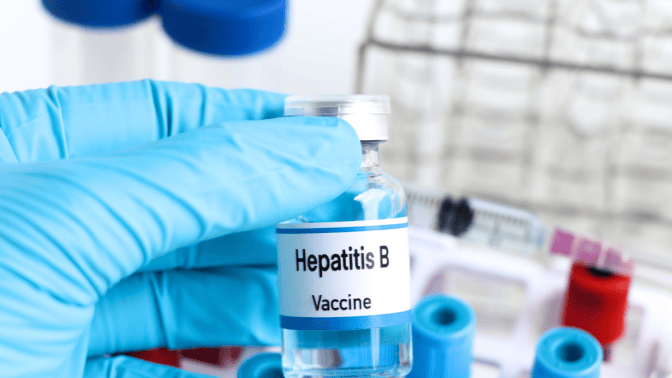
Hepatitis A and hepatitis B are two of the most commonly recommended travel vaccinations in the UK, and also two of the most frequently confused. Both affect the liver, both are vaccine-preventable, and both carry serious clinical consequences if acquired. But they are entirely different infections in terms of how they are transmitted, how they progress and what the longer-term implications are for a traveller’s health.
This guide explains both infections clearly, sets out the clinical case for vaccination, and explains who should receive which vaccine and when. If you are planning travel to a destination where either infection is endemic, reading this before your travel consultation will help you get more from that appointment.
Hepatitis A is a viral infection of the liver caused by the hepatitis A virus (HAV). It is transmitted almost exclusively through the faecal-oral route, meaning contaminated food and water are the primary vehicles of infection. Raw or undercooked shellfish, fresh produce irrigated with contaminated water, salads, ice and food prepared by an infected food handler are the most common sources in endemic regions.
The disease is endemic across much of South and Southeast Asia, sub-Saharan Africa, Central and South America, Eastern Europe and parts of the Middle East. The UK itself has very low endemic transmission, which means that most adults born and raised in the UK have no natural immunity. Travellers arriving in high-risk regions without vaccination or prior infection are fully susceptible.
Hepatitis A typically presents after an incubation period of two to six weeks, with a prodromal phase of fever, fatigue, nausea and abdominal discomfort followed by jaundice, dark urine and pale stools. In healthy younger adults, the illness is usually self-limiting over several weeks, though it can be prolonged and debilitating. In adults over 50 and in those with pre-existing liver disease, the risk of severe hepatitis and, rarely, acute liver failure is meaningfully higher.
There is no specific antiviral treatment for hepatitis A. Management is supportive. This makes prevention through vaccination the only reliable clinical strategy.
The hepatitis A vaccine is one of the safest and most effective in the travel health pharmacopeia. A single dose of inactivated hepatitis A vaccine (such as Havrix Monodose or Avaxim) provides protection in over 95 percent of recipients within approximately two weeks of administration. A booster dose, given six to twelve months after the initial dose, extends protection for at least 25 years and is likely lifelong in immunocompetent individuals.
The vaccine is well tolerated. The most common side effects are mild soreness at the injection site and occasional low-grade fever or fatigue. Serious adverse events are extremely rare.
A combined hepatitis A and typhoid vaccine (Hepatyrix or ViATIM) is available for travellers requiring both vaccinations, reducing the number of injections required. A combined hepatitis A and B vaccine (Twinrix) is available for those requiring protection against both hepatitis viruses simultaneously.
| Hepatitis A Vaccination: Rapid FactsA single dose provides protection within 2 weeks. A booster dose at 6 to 12 months provides protection for at least 25 years. It is one of the most commonly recommended travel vaccines for South Asia, Southeast Asia, sub-Saharan Africa and Latin America. General food and water hygiene, while important, does not provide reliable protection against hepatitis A. |
Hepatitis B is caused by the hepatitis B virus (HBV), a very different pathogen from HAV. Hepatitis B is transmitted through blood, sexual contact, and from mother to child during birth. Transmission routes include unprotected sexual intercourse with an infected partner, sharing of needles or drug-use equipment, exposure to infected blood through medical or dental procedures in settings with inadequate infection control, tattooing or body piercing using non-sterile equipment, and receipt of blood products or organ transplants in endemic countries.
Hepatitis B is globally endemic, with the highest prevalence in sub-Saharan Africa, East and Southeast Asia and the Pacific Islands. In high-prevalence regions, it is frequently transmitted perinatally, meaning a significant proportion of the population carries the virus from birth, often without knowledge of their infection.
Acute hepatitis B presents similarly to hepatitis A, with jaundice, fatigue and abdominal discomfort. However, the critical clinical difference is the risk of chronic infection. In healthy adults, approximately 5 to 10 percent of acute hepatitis B infections become chronic. In infants infected perinatally, this rate rises to approximately 90 percent. Chronic hepatitis B is a progressive liver disease that significantly increases the risk of cirrhosis and hepatocellular carcinoma (liver cancer).
Hepatitis B vaccination is recommended for travellers who may be at risk through their planned activities or circumstances. This includes travellers engaging in sexual contact with new partners during travel, healthcare workers and volunteers working in clinical settings in endemic regions, travellers planning extended stays in high-prevalence regions, backpackers and adventure travellers who may require medical or dental care locally, and travellers with planned tattoos or piercings.
The standard hepatitis B vaccination course requires three doses: at day zero, one month and six months. Accelerated schedules are available for travellers with less preparation time, including a 0, 7, 21-day schedule with a booster at 12 months, providing protection before departure. The combined hepatitis A and B vaccine (Twinrix) follows a similar schedule and is an efficient option for travellers requiring both vaccines.
Travellers with pre-existing liver disease, including non-alcoholic fatty liver disease (NAFLD), alcoholic liver disease or any chronic hepatitis, are at heightened risk of severe complications from hepatitis A and should be prioritised for vaccination. They may also require additional clinical advice regarding their specific destination, alcohol intake during travel and access to medical care.
At Halton Pharmacy in Leeds, our travel health consultations assess your individual risk based on your destination, planned activities, duration of travel and medical history. We administer hepatitis A, hepatitis B and combined hepatitis A and B vaccines and provide a full written record of vaccinations given.
Hepatitis A and Hepatitis B are both viral infections that affect the liver, but they spread differently. Hepatitis A is usually transmitted through contaminated food or water, while Hepatitis B spreads through blood, sexual contact, or bodily fluids.
Vaccination helps protect against serious liver infections that can lead to complications such as liver inflammation, liver failure, or chronic liver disease. Vaccines are one of the most effective ways to prevent infection.
These vaccines are recommended for travellers, healthcare workers, people with certain medical conditions, individuals at higher occupational risk, and anyone wanting long-term protection against hepatitis infections.
Pop into the pharmacy or book an appointment online.
Our pharmacists can provide fast, confidential advice and treatment for many common conditions, often without needing a GP appointment.
253 Selby Rd, Halton, Leeds LS15 7JR · Mon–Sat · GPhC Reg. 1039734