Both NHS vaccines are being provided from 1st October 2026. Reserve your appointment directly with us today.
Halton Pharmacy Clinical Team, Leeds
July 1, 2026
7 min read
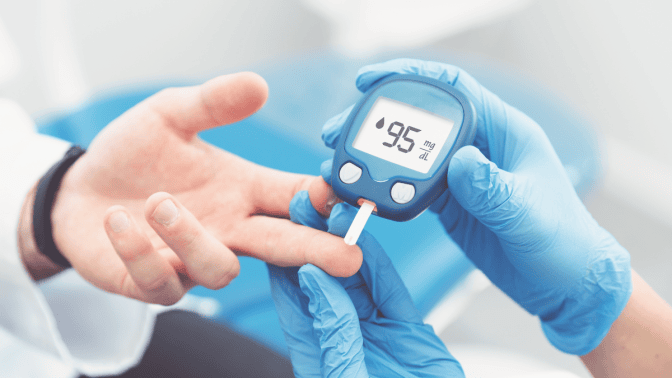
Blood glucose testing is a clinically meaningful service that many patients in the LS15 and Selby Road area would benefit from using. At Halton Pharmacy in Leeds, blood glucose testing is available as part of our heart and metabolic health services, and this article explains what the test measures, what results indicate, and what action is appropriate at different results.
Community pharmacy blood glucose testing typically involves a fingerprick capillary blood sample measured using a glucometer. Depending on the context of the test, two types of measurement are relevant:
Fasting blood glucose is measured after a minimum eight-hour fast (water is permitted). It reflects the basal rate of hepatic glucose output in the absence of recent carbohydrate intake, and is the most informative single measurement for identifying non-diabetic hyperglycaemia (NDH) and type 2 diabetes.
Random (non-fasting) blood glucose is measured at any time regardless of last meal. It is less diagnostically precise than a fasting measurement but can identify significantly elevated glucose that warrants further investigation. A random capillary blood glucose of 11.1 mmol/L or above, with symptoms of hyperglycaemia (polydipsia, polyuria, weight loss, fatigue), meets the diagnostic threshold for diabetes mellitus in the appropriate clinical context.
| FASTING CAPILLARY GLUCOSEBelow 6.1 mmol/L — Normal6.1–6.9 mmol/L — Impaired fasting glucose (prediabetes range)7.0 mmol/L or above — Consistent with diabetes (requires confirmation) | HBA1C (FOR CONTEXT)HbA1c measures average blood glucose over 2–3 monthsBelow 42 mmol/mol — Normal42–47 mmol/mol — Prediabetes (high risk of progression)48 mmol/mol or above — Diagnostic of type 2 diabetes (GP confirmation needed)HbA1c is not reliable in haemoglobin disorders, pregnancy or recent blood loss |
A single abnormal capillary glucose reading from a pharmacy fingerprick test is not sufficient to diagnose diabetes. Diagnosis requires confirmation by a second abnormal result using a laboratory-validated test (fasting plasma glucose, HbA1c, or two-hour glucose tolerance test), unless the patient has unequivocal symptoms of hyperglycaemia. Pharmacy blood glucose testing is a screening and referral tool, not a diagnostic test.
The impaired fasting glucose range (5.6 to 6.9 mmol/L fasting) represents a clinically important category that is frequently underemphasised. Individuals in this range have a substantially elevated lifetime risk of progression to type 2 diabetes, and several well-evidenced interventions reduce that risk. The Diabetes Prevention Programme (DPP) and the UK NHS Diabetes Prevention Programme (NDPP) both demonstrate that structured lifestyle intervention involving dietary change and physical activity can reduce progression from prediabetes to type 2 diabetes by approximately 50 to 60 percent.
Weight loss is the most powerful single modifiable factor in prediabetes management. GLP-1 receptor agonists, while not licensed specifically for prediabetes, have been shown in trial data to substantially reduce the risk of progression to type 2 diabetes in individuals with prediabetes and obesity, through their combined effects on weight reduction and glucose metabolism.
| At Halton Pharmacy in Leeds, blood sugar testing is available as part of our heart and metabolic health checks. If you have risk factors for type 2 diabetes (excess weight, family history, sedentary lifestyle, South Asian, African or Caribbean ethnicity, or previous gestational diabetes), please come in for a check. Early identification of prediabetes opens a window for meaningful intervention. |
This article is for general information and does not constitute individual clinical advice. To book a blood glucose check at Halton Pharmacy in Leeds, please visit us on Selby Road or contact us directly.
Blood sugar testing may be recommended for people with diabetes, those at risk of developing diabetes, or individuals experiencing symptoms such as increased thirst, frequent urination, unexplained weight loss or persistent fatigue.
It depends on the type of test being performed. Some blood glucose tests require fasting for several hours beforehand, while others, such as HbA1c tests, do not usually require fasting. Your healthcare professional will advise you on any preparation needed.
A blood glucose test measures your blood sugar level at a specific point in time, whereas an HbA1c test provides an indication of your average blood sugar levels over the previous two to three months. Both tests can be useful in assessing diabetes risk and blood sugar control.
Pop into the pharmacy or book an appointment online.
Our pharmacists can provide fast, confidential advice and treatment for many common conditions, often without needing a GP appointment.
253 Selby Rd, Halton, Leeds LS15 7JR · Mon–Sat · GPhC Reg. 1039734